Insurance Truck Repairs: A Comprehensive Guide
What Are Insurance Truck Repairs?
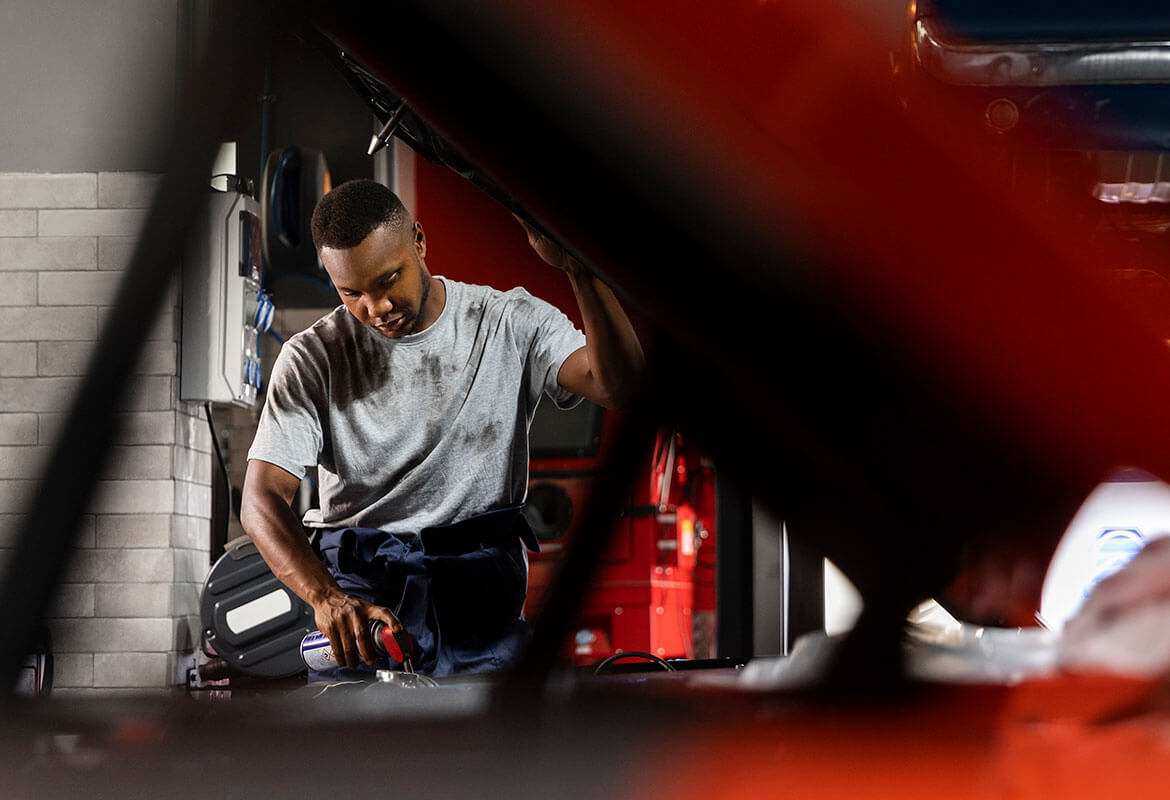
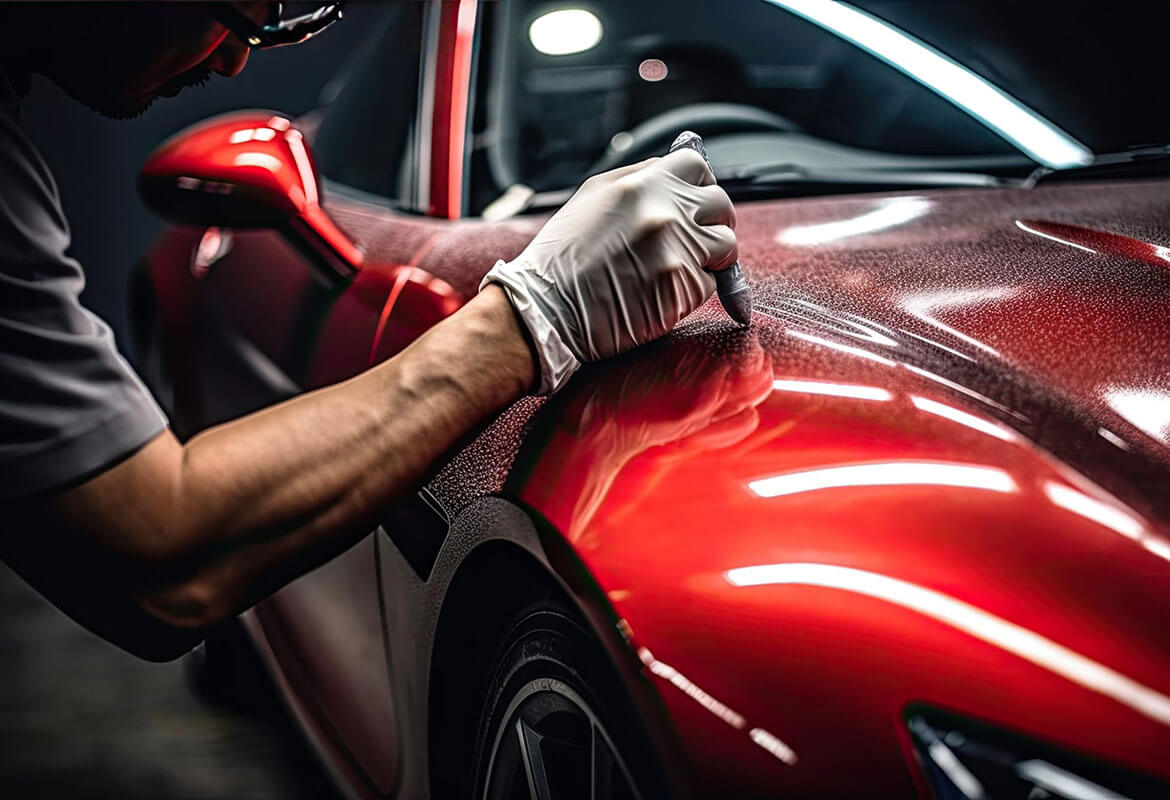
Insurance truck repairs refer to the process of fixing trucks that have been damaged due to accidents or other incidents, with the costs typically covered by an insurance policy. These repairs can include bodywork, mechanical repairs, and other necessary services to restore the vehicle to its pre-accident condition. Understanding how insurance truck repairs work is crucial for vehicle owners and fleet operators, as it can significantly impact the overall cost of ownership and operational efficiency.
Common Signs That Your Truck Needs Repairs
Identifying issues early can save time and money in the long run. Here are some common signs that a truck may need repairs:
- Unusual Noises: Sounds such as grinding, squeaking, or knocking can indicate mechanical problems.
- Warning Lights: Dashboard warning lights, such as the check engine light, should not be ignored, as they often signal underlying issues.
- Fluid Leaks: Puddles of oil, coolant, or other fluids under the truck can indicate leaks that require immediate attention.
- Poor Handling: If the truck feels unstable or pulls to one side, it may have alignment or suspension issues.
- Decreased Performance: A noticeable drop in power, acceleration, or fuel efficiency can suggest engine or transmission problems.
The Importance of Regular Maintenance
Regular maintenance is essential for keeping trucks in optimal condition and preventing the need for extensive repairs. Scheduled maintenance typically includes oil changes, brake inspections, tire rotations, and fluid checks. By adhering to a maintenance schedule, vehicle owners can:
- Extend Vehicle Lifespan: Regular upkeep helps prevent wear and tear, allowing trucks to last longer.
- Enhance Safety: Well-maintained vehicles are less likely to experience breakdowns or accidents due to mechanical failure.
- Improve Fuel Efficiency: Proper maintenance can lead to better fuel economy, saving money on fuel costs.
- Avoid Costly Repairs: Addressing minor issues early can prevent them from escalating into major problems that require expensive repairs.
Understanding Insurance Coverage for Truck Repairs
Insurance coverage for truck repairs can vary significantly based on the policy and provider. Generally, most commercial truck insurance policies cover:
- Collision Coverage: This covers damages to the truck resulting from a collision with another vehicle or object.
- Comprehensive Coverage: This protects against non-collision-related damages, such as theft, vandalism, or natural disasters.
- Liability Coverage: This covers damages to other parties if the truck is involved in an accident where the driver is at fault.
It is essential for truck owners to review their insurance policies carefully to understand what is covered and what is not. Additionally, some policies may have specific requirements for repair providers, such as using approved shops or obtaining prior authorization for repairs.
Choosing the Right Repair Provider
Selecting a qualified repair provider is crucial for ensuring that truck repairs are performed correctly and efficiently. Here are some factors to consider when choosing a repair provider:
- Certifications: Look for providers with relevant certifications, indicating they meet industry standards.
- Experience: Consider the provider’s experience with truck repairs, particularly for the specific make and model of the vehicle.
- Reputation: Research reviews and testimonials from previous customers to gauge the provider’s reliability and quality of service.
- Warranty on Repairs: Inquire about warranties on repairs to ensure that any future issues will be addressed without additional costs.
- Location and Accessibility: Choose a provider that is conveniently located and offers services that fit your schedule, such as mobile maintenance options.
Questions to Ask Your Repair Provider
When discussing repairs with a service provider, asking the right questions can help clarify expectations and ensure transparency. Here are some important questions to consider:
- What is the estimated cost of the repairs?
- How long will the repairs take?
- What parts will be used in the repair process?
- Are there any warranties or guarantees on the work performed?
- Can you provide references or examples of similar repairs you’ve completed?
The Role of Fleet Management in Truck Repairs
For businesses operating multiple vehicles, effective fleet management is vital for maintaining trucks and managing repairs efficiently. Fleet management involves tracking vehicle performance, scheduling regular maintenance, and monitoring repair needs. Key benefits of fleet management include:
- Improved Efficiency: Regular monitoring helps identify potential issues before they become serious problems, minimizing downtime.
- Cost Savings: By optimizing maintenance schedules and repair processes, businesses can reduce overall operational costs.
- Enhanced Safety: Fleet management ensures that all vehicles are regularly inspected and maintained, promoting safety on the road.
FAQs About Insurance Truck Repairs
Here are some frequently asked questions regarding insurance truck repairs:
- What should I do if my truck is involved in an accident? Contact your insurance provider to report the incident and follow their guidance on the next steps for repairs.
- Will my insurance cover all repair costs? Coverage depends on your policy. Review your insurance details to understand what is covered.
- How can I find a reputable repair provider? Research online reviews, ask for recommendations, and check for certifications to find a qualified provider.
- What if I need repairs while on the road? Look for mobile repair services that can assist you on-site, or contact your insurance for recommendations.
B&C Diesel Service: Your Trusted Partner for Truck Repairs
B&C Diesel Service offers comprehensive repair and maintenance solutions for light-duty vehicles, commercial fleets, and heavy-duty trucks. With over 70 years of combined experience, B&C Diesel Service specializes in diesel and automotive repair, providing fleet management solutions designed to keep vehicles on the road and businesses running efficiently. For those in need of mobile service, B&C Diesel Service also offers on-site preventive maintenance and roadside assistance.
Conclusion
Understanding insurance truck repairs is essential for vehicle owners and fleet operators alike. Recognizing the signs that repairs are needed, the importance of regular maintenance, and how to navigate insurance coverage can lead to better decision-making and cost savings. Choosing the right repair provider and asking the right questions can further enhance the repair experience. For more information about truck repair services, consider reaching out to a trusted provider like B&C Diesel Service.