Metal Work: Techniques, Applications, and Maintenance
What is Metal Work?
Metal work refers to the process of shaping, cutting, and joining metal materials to create various structures and components. This craft encompasses a wide range of activities, from artistic endeavors such as sculpture to practical applications in construction and manufacturing. Metal work can involve different types of metals, including steel, aluminum, copper, and brass, each chosen for its unique properties and suitability for specific projects.
Common Techniques in Metal Work
Several techniques are fundamental to metal work, each serving different purposes depending on the desired outcome. Here are some of the most common methods:
- Welding: This technique involves joining two or more pieces of metal by melting them together, often using a filler material. Various welding methods exist, including MIG (Metal Inert Gas), TIG (Tungsten Inert Gas), and stick welding, each suited for different applications and materials.
- Cutting: Metal cutting can be achieved through various methods such as sawing, shearing, or using plasma and laser cutting technologies. Each method has its advantages depending on the thickness and type of metal being cut.
- Shaping: Techniques like bending, forging, and machining are used to shape metal into desired forms. Bending can be done using press brakes, while forging involves shaping metal through compressive forces.
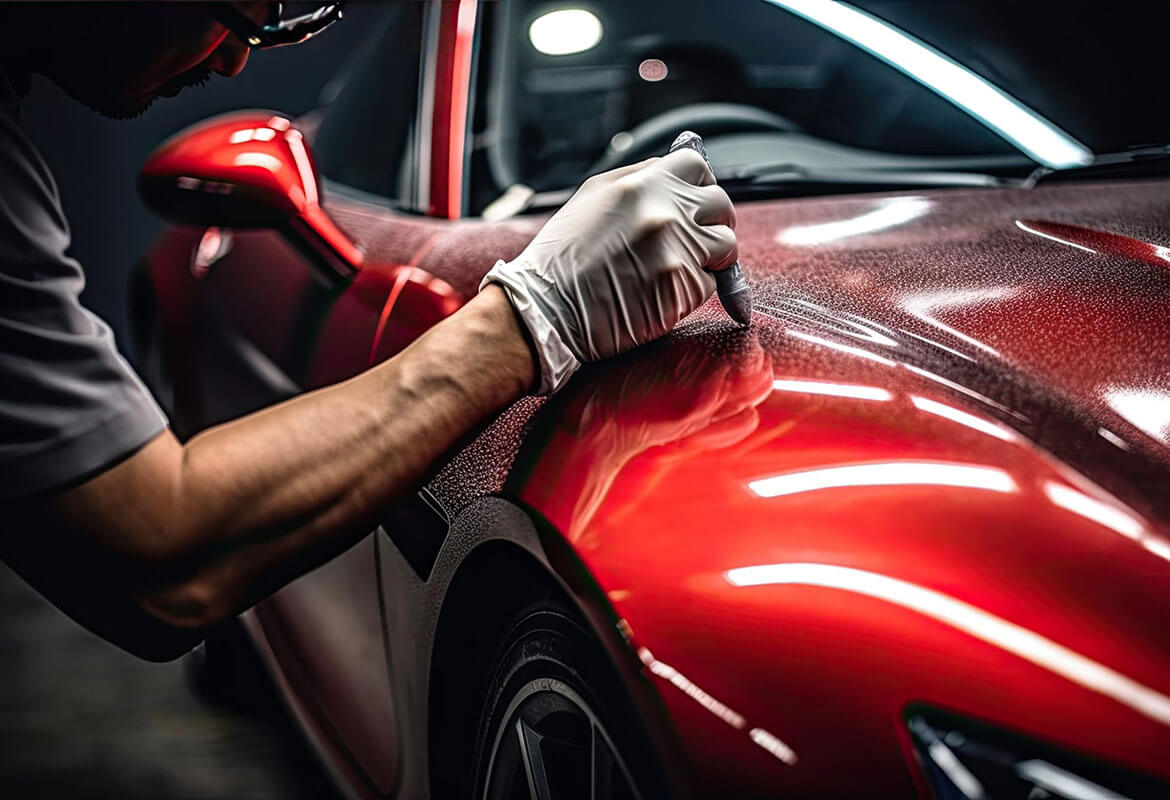
- Finishing: After the primary shaping and joining processes, finishing techniques such as grinding, polishing, and coating are applied to improve the appearance and protect the metal from corrosion.
Applications of Metal Work in Various Industries
Metal work plays a crucial role across multiple industries, showcasing its versatility and importance. Here are some key sectors where metal work is extensively utilized:
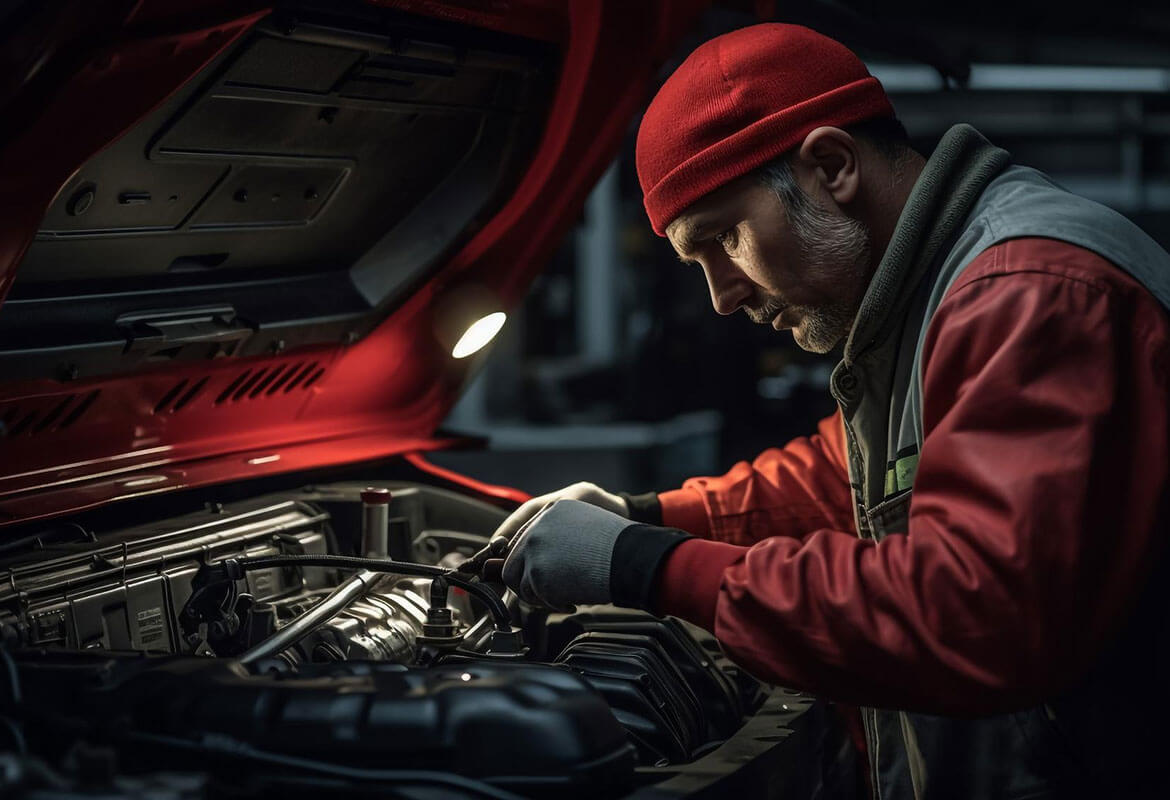
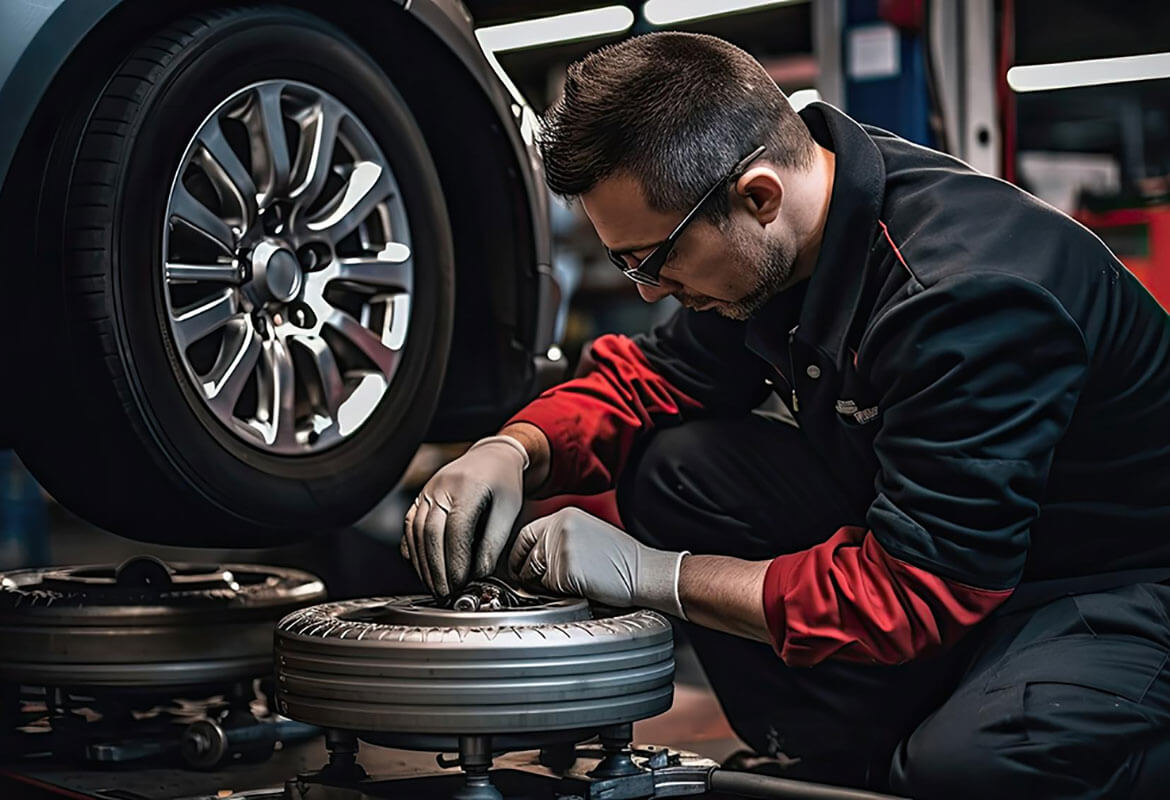
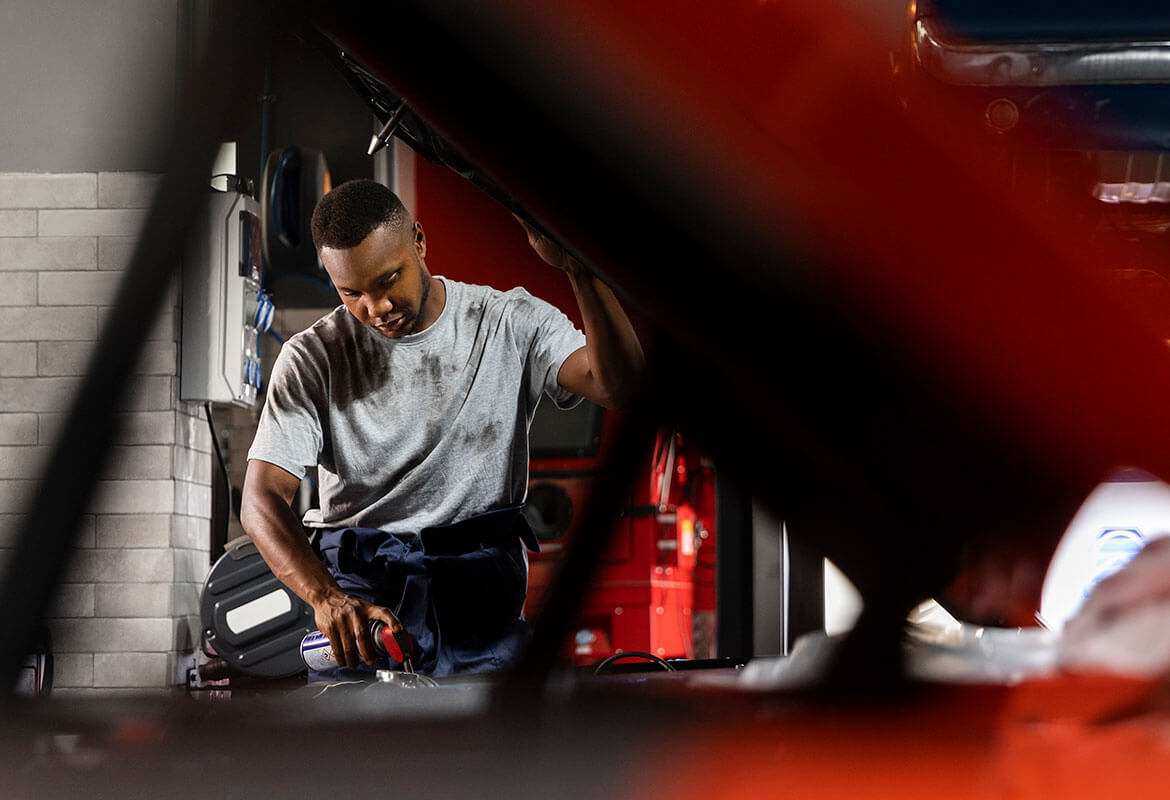
- Automotive: In the automotive industry, metal work is essential for manufacturing vehicle frames, engine components, and various other parts. Precision metal fabrication ensures that vehicles are safe and efficient.
- Construction: Metal work is fundamental in construction for creating structural elements such as beams, columns, and reinforcements. Steel fabrication is particularly important for high-rise buildings and bridges.
- Manufacturing: Many manufacturing processes rely on metal work for producing machinery, tools, and equipment. Metal components are often integral to the functionality of various products.
- Aerospace: In aerospace, metal work is critical for producing lightweight yet strong components that can withstand extreme conditions. Advanced techniques are often employed to ensure precision and reliability.
Signs of Quality Metal Work
Identifying quality metal work is essential for ensuring durability and performance. Here are some characteristics to look for:
- Precision: High-quality metal work should exhibit precise measurements and clean cuts. Any irregularities can affect the overall integrity of the final product.
- Strong Joints: The strength of welded or joined areas is crucial. Quality metal work will have strong, uniform joints that can withstand stress and strain.
- Surface Finish: A smooth and well-finished surface indicates attention to detail. Proper finishing can also enhance corrosion resistance.
- Material Selection: Using appropriate materials for the intended application is a sign of quality. The right metal choice can significantly impact performance and longevity.
Maintenance Considerations for Metal Work Projects
Proper maintenance is vital for ensuring the longevity and functionality of metal work. Here are some tips to consider:
- Regular Inspections: Periodically check for signs of wear, corrosion, or damage. Early detection can prevent more significant issues down the line.
- Cleaning: Keep metal surfaces clean to prevent rust and corrosion. Use appropriate cleaning agents that do not damage the metal.
- Protective Coatings: Applying protective coatings can enhance resistance to environmental factors. Paints, sealants, or galvanization can be effective options.
- Prompt Repairs: Address any damage or wear immediately to prevent further deterioration. Timely repairs can extend the life of the metal work.
Questions to Ask When Hiring a Metal Work Provider
When selecting a metal work service provider, it’s essential to ask the right questions to ensure quality and reliability. Consider the following inquiries:
- What types of metal work do you specialize in? Understanding the provider’s expertise can help determine if they are suitable for your specific needs.
- Can you provide references or examples of past work? Reviewing previous projects can give insight into the quality and style of the provider’s work.
- What materials do you use? Knowing the types of metals and materials used can help assess the durability and suitability for your project.
- What is your process for quality control? Inquiring about quality assurance practices can help ensure that the work meets industry standards.
Comparing Metal Work Service Options
When evaluating different metal work service providers, several factors should be considered:
- Experience: Look for providers with a proven track record in metal work. Experience often correlates with quality and reliability.
- Capabilities: Assess the range of services offered. Some providers may specialize in specific techniques or industries, which could be beneficial for your project.
- Pricing: While cost shouldn’t be the only factor, it’s essential to understand pricing structures and ensure they align with your budget.
- Customer Service: Good communication and customer support can significantly impact the overall experience. Choose a provider that values customer relationships.
Frequently Asked Questions About Metal Work
Here are some common questions related to metal work:
- What types of metals are commonly used in metal work? Common metals include steel, aluminum, copper, and brass, each chosen for specific properties.
- How can I ensure the quality of metal work? Look for precision, strong joints, and proper finishing as indicators of quality.
- What maintenance is required for metal work? Regular inspections, cleaning, and prompt repairs are essential for maintaining metal work.
About B&C Diesel Service
B&C Diesel Service offers comprehensive repair and maintenance solutions for light-duty vehicles, commercial fleets, and heavy-duty trucks. With over 70 years of combined experience, this service specializes in diesel and automotive repair, providing fleet management solutions designed to keep vehicles on the road and businesses running efficiently. Additionally, mobile service is available for on-site preventive maintenance and roadside assistance. For more information, visit B&C Diesel Service.
Conclusion
Understanding metal work is essential for anyone involved in projects that require metal fabrication or repair. By familiarizing oneself with the techniques, applications, and maintenance considerations, informed decisions can be made when selecting a provider. Whether for artistic, industrial, or construction purposes, quality metal work is integral to ensuring safety, functionality, and longevity.